What is Kleentek and EOC technology and why is it needed?
Turbo machinery Aug.2006 varnish removal-Click here
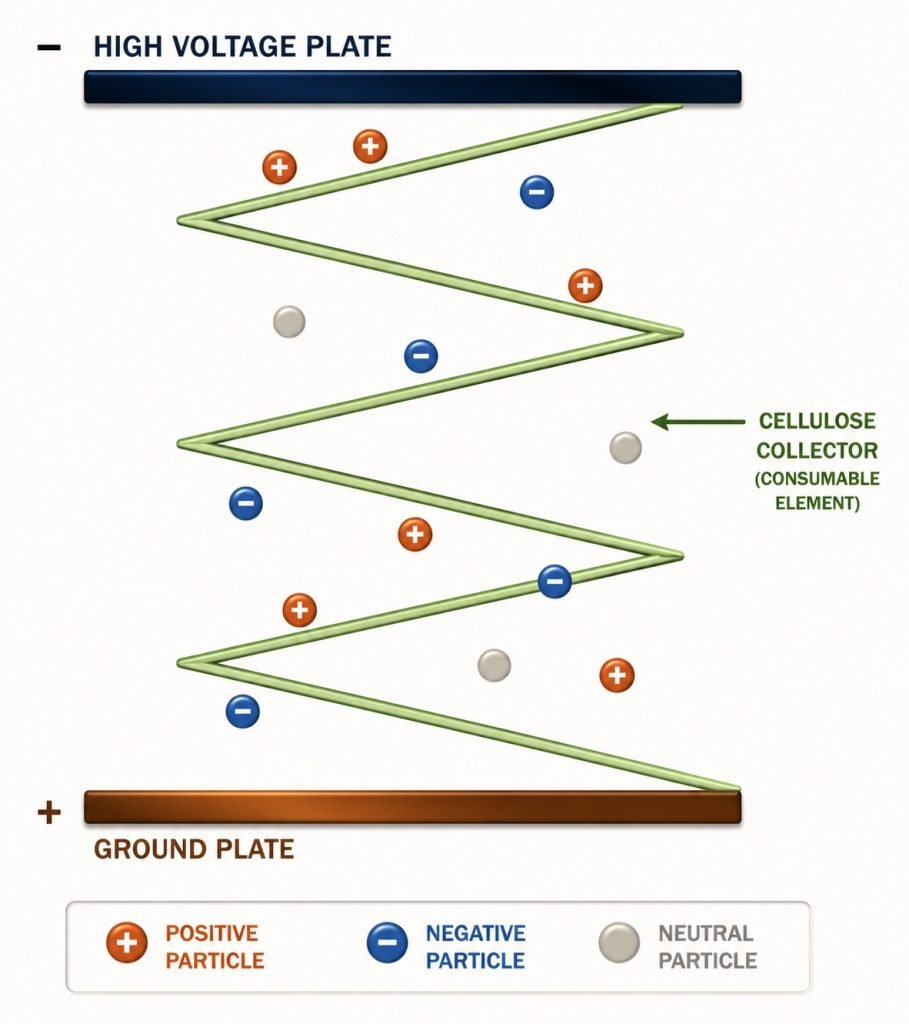
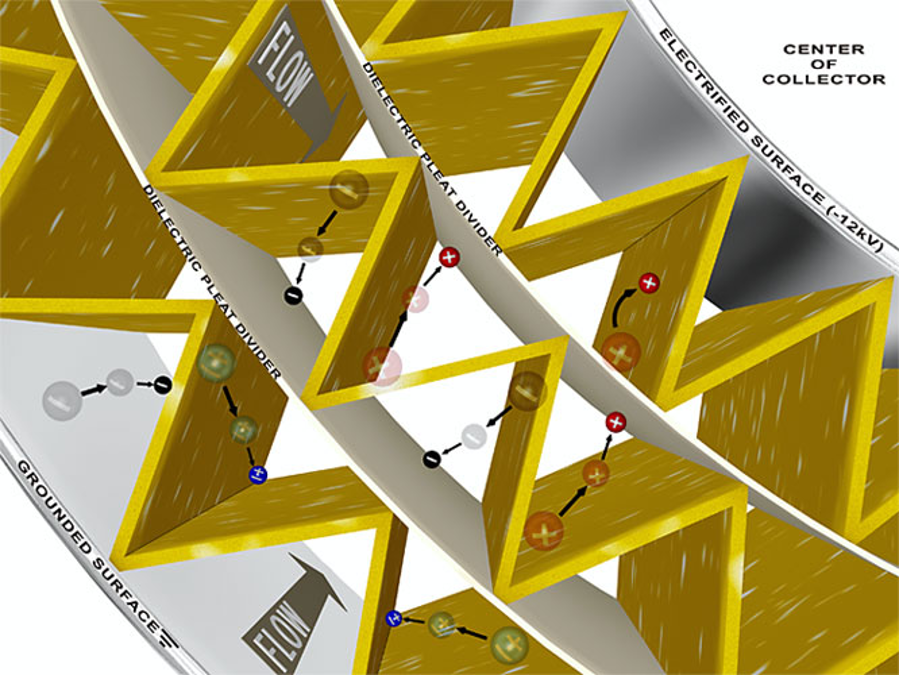
Kleentek filters oils by the technique of Electrophoresis. Electrophoresis is a technique used to separate molecules, such as oils, based on their size and charge. The molecules are run through a Kleentek systems where an electric current is applied. The molecules will then move through the Element (filter) based on their charge and size. Smaller, negatively charged molecules will move towards the positive end, while larger, positively charged molecules will move towards the negative end. This allows it to be separated and potentially analyzed for the different size molecules in a sample.
The process removes contaminate in oil in the soluble and insoluble state, with out harming the actual oils.
See the attached images below for how it works.
- Over time oils naturally breakdown due to a process called oxidation.
- The oxidation process occurs and even accelerates through the introduction of water, heat, oxygen, static discharges, etc.
- The by-product of oxidation called “varnish” causes problems within hydraulic systems. Other Soluble and in-soluble such as dust and metals also must be removed.
- Traditional Mechanical Filtration Only Removes Larger Particulate in the Micron Range 10-5m.
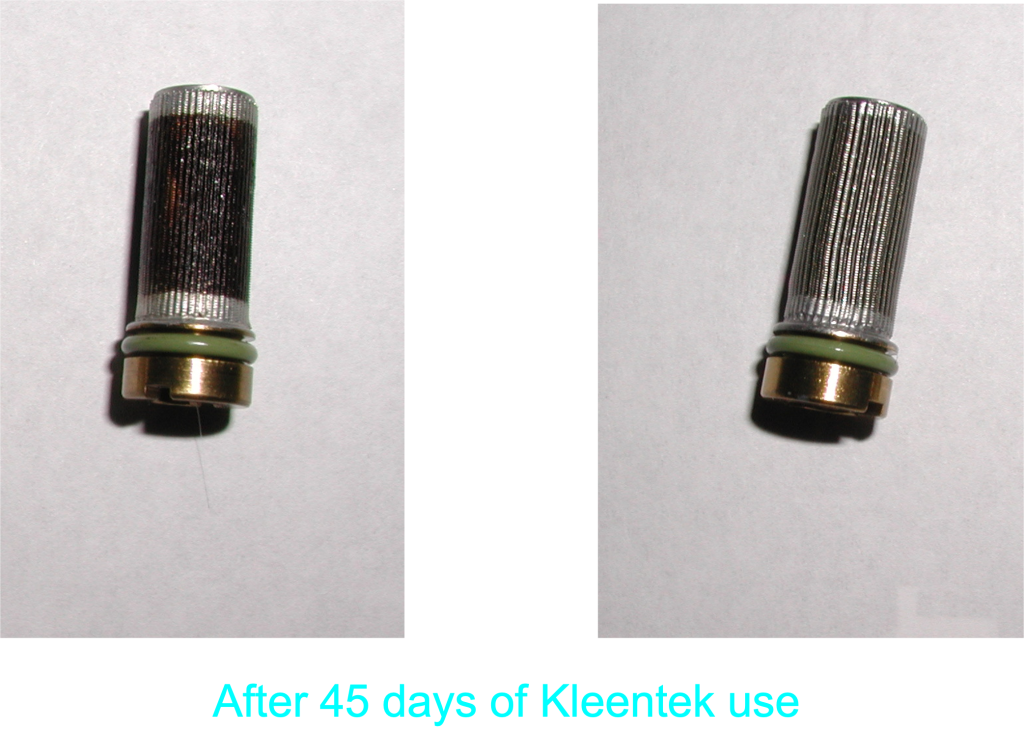
- The Kleentek product is an oil conditioning system which performs the following functions: Removes insoluble particulate from oil across the full particle size range down to 10-8m.
- Basically, it reverses the effects of oxidation by-products.
Electrostatic Discharge
Significant studies have been conducted on the effects of static discharge in hydraulic systems. Static discharge is a prominent contributor to sludge and varnish formation in turbine systems.
Electrostatic charge generation occurs in fluid systems due to internal molecular friction and electric potential between the fluid and machine surfaces. Many factors contribute to the magnitude of the static charge within the lubricating oils; external grounding of machines has little impact on mitigating charge propagation.
Oil is a nonconductive fluid and is self-insulating. When charged particulate builds up in the working fluid, including reservoirs, the subsequent static discharging, similar to lightning strikes through the liquid, may cause localized thermal-oxidative oil degradation, known as sludge.
The Theory of operation:
- Varnish Creation
- Polarity of Oil Molecules
- Real World Catalysts
- Review the processes that Kleentek® technology utilizes to remove oil contaminants
- Electrophoresis
- Dielectrophoresis
- Friction
- Oil moving through particulate filters create friction and can product static discharge
- Heat generated greater than 10,000°C
- Static Discharge Video Example
- Water
- Water is a weak acid that promotes oil degradation
- Levels greater than 100 ppm
- Oil Contaminants
- Metals such copper, iron, etc.
- Elevated Temperatures
- Temperatures accelerate oil breakdown
- Oxidation speed doubles every 10 ℃
A Varnish Removal Solution For Your Entire System Ensuring Optimal System Performance
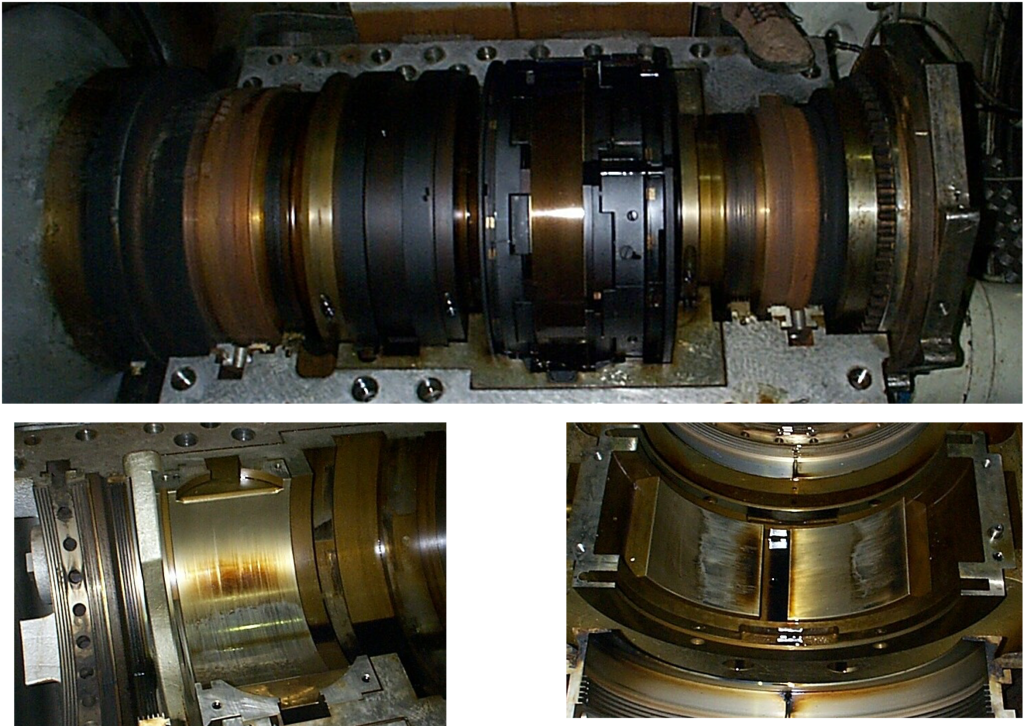
- Varnish acts as a catalyst that accelerates oil degradation. Once varnish begins forming, it doesn’t just sit inertly in the system — it actively speeds up the oxidation process, shortening the usable life of the oil and creating a compounding cycle: more varnish leads to faster oil breakdown, which in turn produces more varnish.
- Varnish’s tacky, resinous texture attracts and traps hard contaminants. As varnish deposits build up on internal surfaces, their sticky nature acts almost like flypaper for particulates — dirt, metal fines, and other abrasive debris adhere to these deposits. This transforms what should be smooth, low-friction surfaces into rough, abrasive ones, accelerating wear on critical components like valves, pumps, and bearings.
- The end result is valve stiction — a “stick-slip” condition that compromises precision and control. As roughened, contaminant-laden surfaces increase friction, moving parts (particularly control valves) begin to stick before releasing suddenly, rather than moving smoothly. This stick-slip behavior degrades system responsiveness and accuracy, and left unaddressed, can lead to erratic operation, poor process control, and eventual component failure.
- Oil oxidation is responsible for up to 85% of all hydraulic component failures. This staggering figure underscores that oxidation isn’t a minor maintenance footnote — it’s the leading root cause of hydraulic system breakdowns industry-wide. Proactive oil conditioning and contamination control aren’t optional extras; they’re essential to protecting capital equipment and minimizing unplanned downtime.
Kleentek Sizing
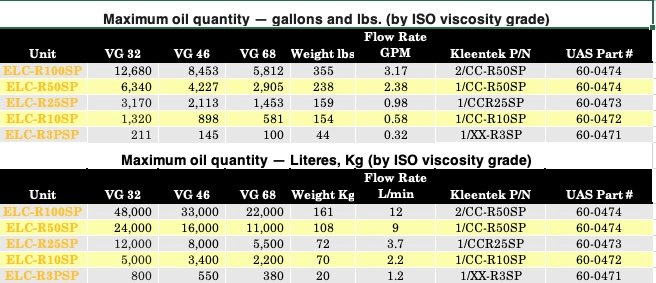
Kleentek Rental or Kleentek Demo
We Currently have Kleentek units for Rental or Testing demos for a fee. We can aslo Test your oils in our system and provide Varnish potential reports to see how well the unit cleans your oil.